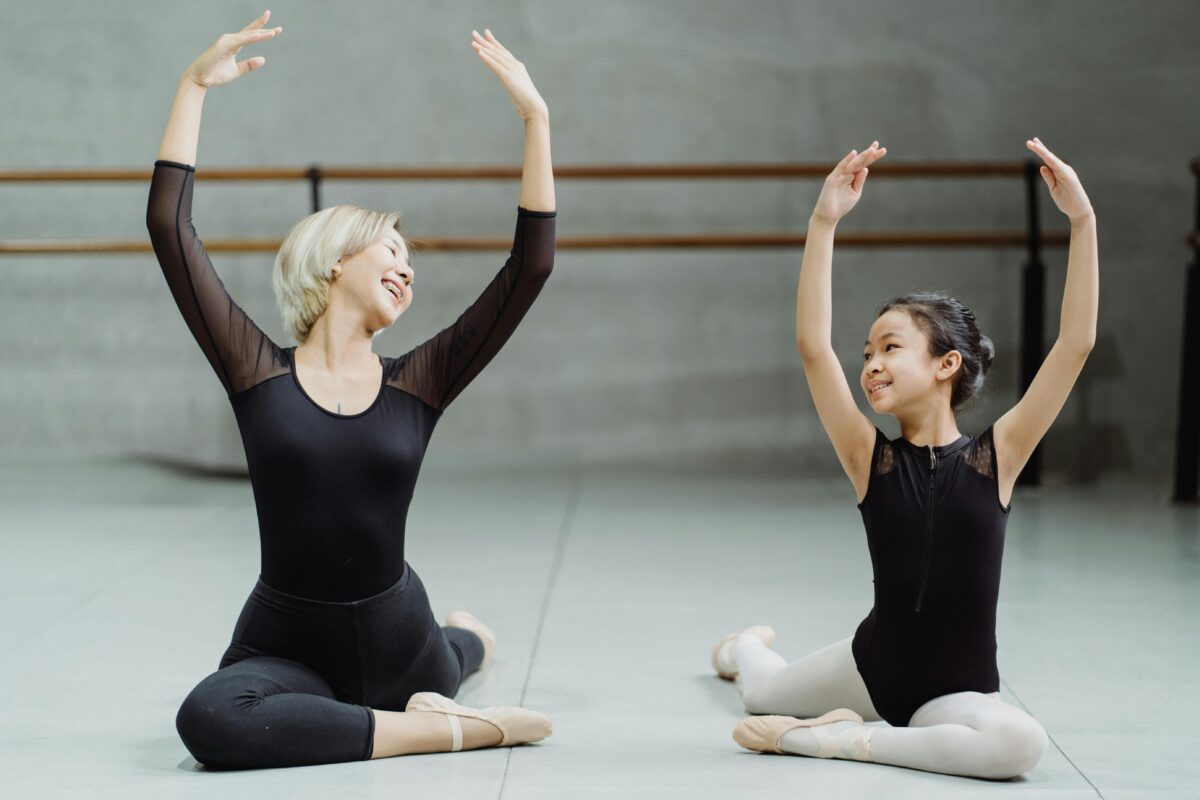
Dance is an art form without which music is dead; the lifeblood within each art form, whether ballet, hip hop, salsa, or ballroom, music sets the rhythm, energy, and mood for every single movement. To dance without music is to rob the performance of part of what it has to offer; understanding the importance of music deepens learning for dancers of all ages and levels. If you are contemplating lessons or even searching for Pearland dance studio rental, it will be great for you to know why music and dance go hand in hand.
Music Creates Rhythm and Timing
Timekeeping is one of the first things that dancers learn. Each step, turn, and leap is part of a timing pattern dictated by the music. Dancers rely on music to show them where their timing, coordination, and flow are off, usually making it easier to perceive a mistake in timing. Developing a sense of timing occurs when listening to the beat, an important aspect of choreography. For novices, either snapping their fingers or simply walking in time with the music opens up the understanding of rhythm.
Music Enhances Expression
More than a mode of moving, dancing tells stories, while music provides the emotional backdrop for those stories. The essence and speed of the music, whether a lively pop number or a soothing piano piece, will give rise to either snappy, peppy, and crisp movements or slow and graceful moves. Thus, a dancer who relates to the music starts to learn how to express emotions through their body. The more skilled one is at this, the more one enjoys practicing it, and the more brilliant their performance!
Music Builds Memory and Focus
Having a certain song usually makes it easier for dancers to memorize a routine set to the song selected. Music serves as the trigger for a dancer to remember sequences, transitions, and cues; for instance, a kick may be suggested by a drum beat, while a pause may tell a student to turn. The connection between sound and movement enhances concentration and makes learning choreography so much smoother.
Music Improves Group Coordination
The force of music is necessary to unite all together in a group class or group performance. Everyone moves together, in harmony, on stage. It is through practice with music that dancers learn to become sensitive not just to their own steps, but to the group rhythm. This is essential for teamwork, especially in styles like hip hop crews, ballroom pairs, or contemporary ensembles.
Music Keeps Motivation High
There is no denying it, dance can be very difficult to learn. However, with great music, the motivation to learn is sky-high. While the uptempo songs keep drill sessions exciting, the slow, soft, and sultry tunes can inspire dancers to work hard at nailing that difficult move. The ability of music to move emotionally will give dancers the extra push they require to be back in the studio.
Finding the Right Space to Practice
In order to really enjoy the relationship between music and dance, you need the proper space. A studio should have sound systems, acoustics, and a floor space designed specifically for practice. For those searching for a Pearland dance studio rental, it’s all about finding a space that will let you bring your playlist and practice comfortably so that you can make the most of your learning.
The essence of dancing is established in the music. It regulates the rhythm, stimulates creativity, sharpens memory, and enhances motivation. Thus, any learner, whether a novice or an experienced dancer, moving along with music will, beyond doubt, gain confidence and expressiveness. In a proper studio, you will see how far freedom in dancing can take you towards growth and artistry.